What I Learned Producing 50 Events in Bali
After 50+ events, from intimate dinners to full masterminds, I've made every possible mistake and found what actually works. This is what I'd tell myself on day one.
Marina Jaubert
Founder, Ascend to Bali
In this article
- Why I started hosting events
- The biggest mistakes in the first year
- What curation actually means in practice
- The moment I knew this was the work
- What makes a room unforgettable
What 50+ events in Bali taught me about community, curation, and why the room matters more than the topic. Lessons for anyone building in public.
I did not start hosting events because I had a business plan. I started because I could not find the room I wanted to be in, so I built it.
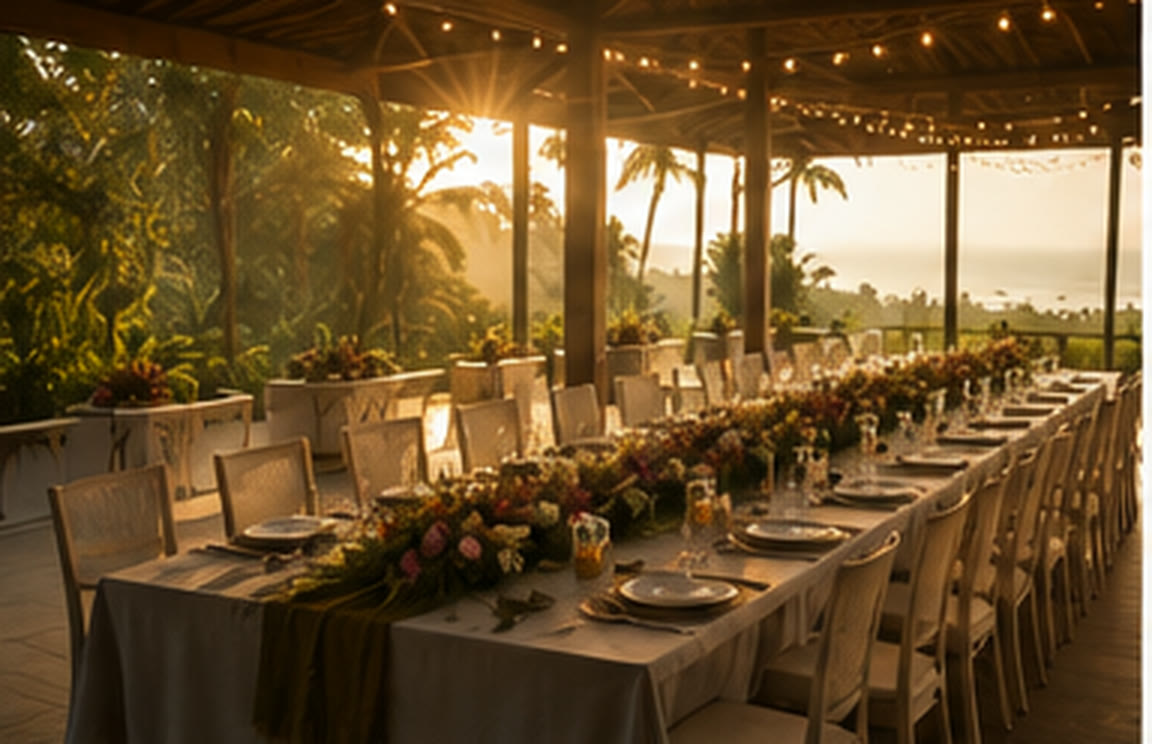
That first event was twelve people at a long table in Canggu. No community, no brand, no guarantee anyone would come back. Two years and fifty-plus events later, I understand things about rooms and people and connection that no book taught me.
Why I started
I arrived in Bali with no local network. What I found was a community scene that was warm but shallow, lots of events where everyone was performing, nobody was being honest, and the follow-through after the room was essentially nothing. I wanted a room where people could actually say what they were building, what was not working, and what they needed, without pitching. I could not find it, so I created it.
The biggest mistakes in the first year
- ✦Inviting too many people. My first few events were too big. Fifty people means thirty surface-level conversations. Twelve people means you actually know everyone by the end of the night.
- ✦Over-structuring the program. The best moments always happened in the unstructured space: over dinner, at the end of the night when half the room had left and the rest were still talking.
- ✦Not following through. Events without follow-through are social experiences, not investments. The voice note the next day, the specific introduction that week, that is what turns a room into a relationship.
- ✦Not being selective enough. I let the wrong people in early because I was afraid of empty seats. Every wrong person in the room changes the energy for everyone else. The empty seat is better.
What curation actually means in practice
Curation is not just about who you invite. It is about the specific combination of people in a room at a specific moment. I think about each event like a dinner party where I know everyone's story. A well-curated room has a natural energy, people find each other without you engineering it, because the selection was already done.
The moment I knew this was the work
About six months in, I got a message from someone who had been at one of our early dinners. He had met a woman there who ended up becoming his business partner. They were launching something together. He wanted to thank me. I remember reading it and understanding for the first time what I was actually building. Not events. A catalyst.
What makes a room unforgettable
- ✦The right size. Twelve to thirty people. Enough diversity, enough intimacy.
- ✦A format that creates space for honesty. Not a panel. A conversation.
- ✦At least one person willing to go first, to be honest about where they are struggling. It gives everyone else permission.
- ✦Follow-through that makes people feel seen. A specific introduction within 24 hours.
- ✦The willingness to say no to the wrong people, even when the right ones are less obvious.
Topics